Journal
AI video works, until you try to fake reality.
Short answer: only if you use it to fake reality. Use it to tell stories that could never be real, and your audience will love you for it.
First the trend, because it is not slowing down. The AI video market grew from $5.1 billion in 2023 to an estimated $18.6 billion in 2026, and 86% of ad buyers use or plan to use generative AI for video creative.
But the consumer is more skeptical than the industry thinks. 82% of ad executives believe young consumers feel positive about AI ads; only 45% actually do. Trust research shows the same pattern: 48% of consumers trust content made by people with AI support, against 13% for fully AI-made ads. And studies keep finding that AI content works for product-focused material but falls flat when it imitates emotion or authenticity. The same ad scores worse the moment it is labeled AI-made.
Our rule is simple: never use AI to fake what is real. Use it to make what could never be real.

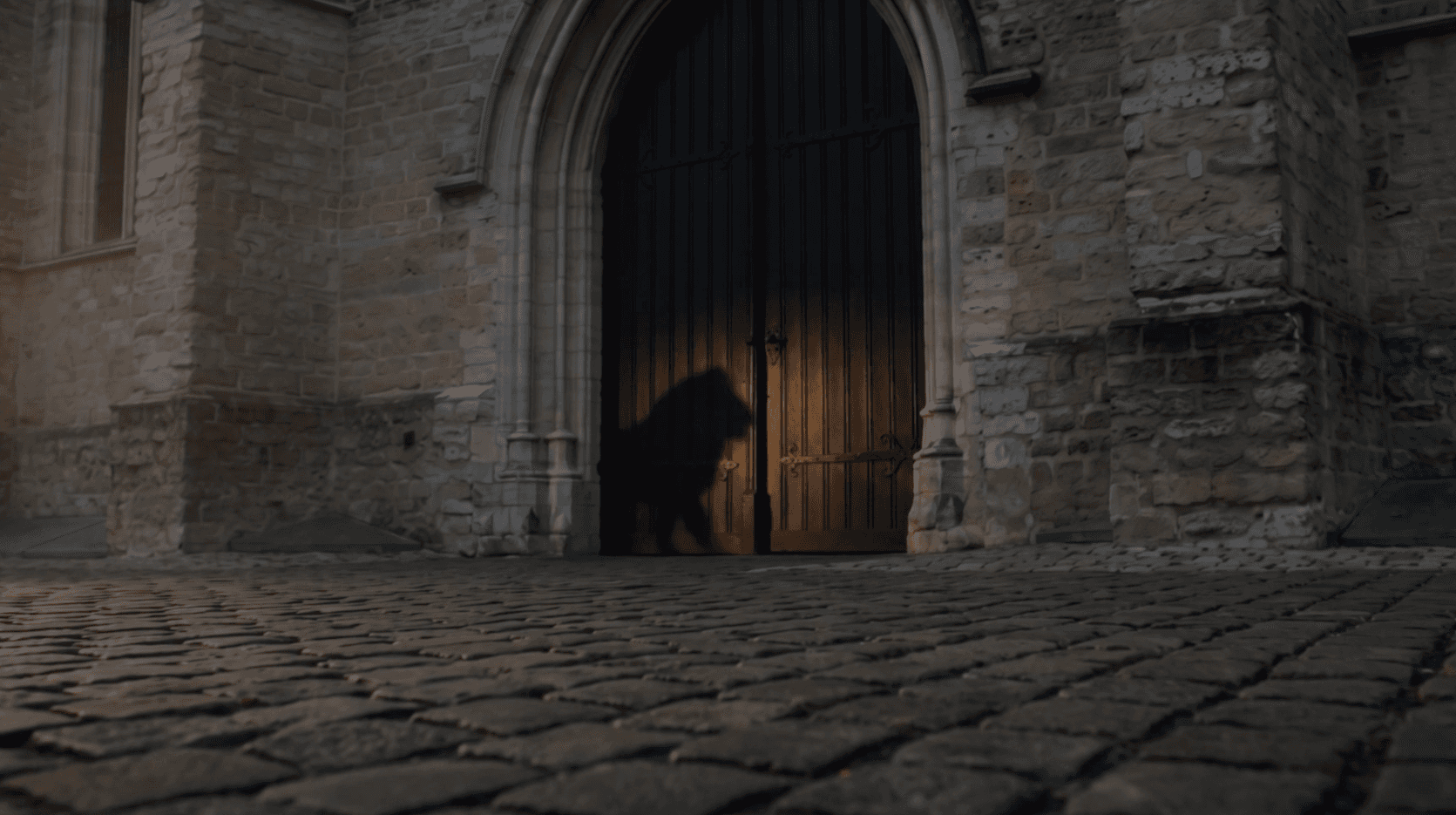
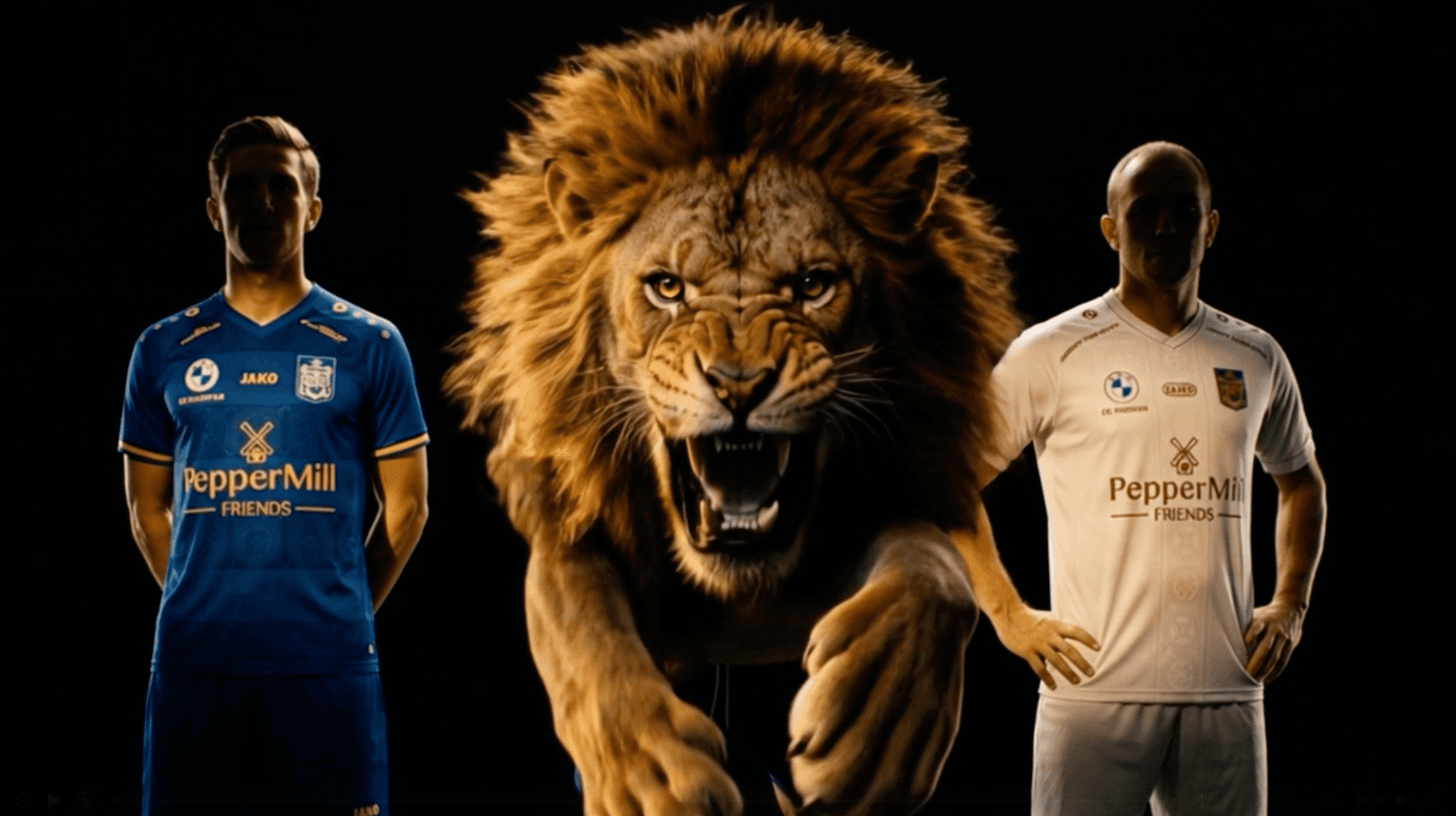
In the run-up to the competition, we produced a video for football club SK Beveren made entirely with AI. We put a lion on a mountain in the middle of the municipality. Its shadow fell over the church on the Grote Markt. Players transformed into a lion. Nobody was fooled, because nothing pretended to be real. It was fiction: written first as a story, then made possible by AI. That is the difference between faking reality and expanding it.
So skip the debate about authenticity, whatever that word still means. Humor works. Fiction works. What does not work is imitation. Write the story first, then use AI to do what no camera could.
That is how we treat every technology: the idea comes first, the medium is a consequence.
Sources: Luma Labs, AI Video Generation Statistics 2026; IAB, The AI Ad Gap Widens (2026); NIM, Transparency without trust; Frontiers in Psychology (2026), AI labels and product type.
Recent articles


" height="11px" id="JVjQFBouH" transform="translate(1.36 1.61)" width="11px"/></svg>)